Lameezy T-Shirt
Support the cast!


Support the cast!

Overlook is the story of five dysfunctional neighbors, denizens of a blue-collar community whose lives become entangled around the “missing” son of a local dry-cleaning magnate. Can an elderly sex-offender, an abusive veteran, a troubled teenage boy, a girl who sells pain pills, and a listless, bumbling stoner band together against the external forces that threaten their quietly broken lives? No. And so sex, betrayal, death—even masturbation ensue, changing life for those on Overlook Road forever.
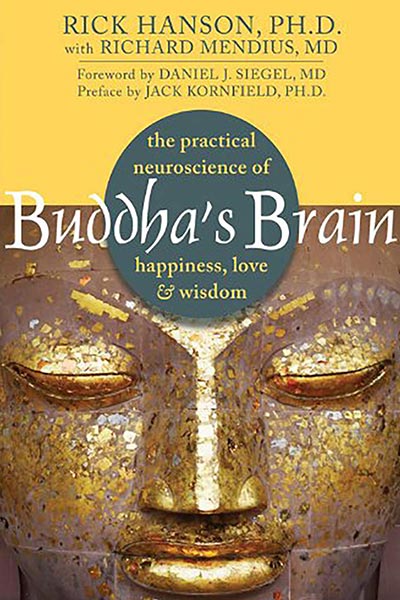
If you change your brain, you can change your life.
Great teachers like the Buddha, Jesus, Moses, Mohammed, and Gandhi were all born with brains built essentially like anyone else’s―and then they changed their brains in ways that changed the world. Science is now revealing how the flow of thoughts actually sculpts the brain, and more and more, we are learning that it’s possible to strengthen positive brain states.
By combining breakthroughs in neuroscience with insights from thousands of years of mindfulness practice, you too can use your mind to shape your brain for greater happiness, love, and wisdom. Buddha’s Brain draws on the latest research to show how to stimulate your brain for more fulfilling relationships, a deeper spiritual life, and a greater sense of inner confidence and worth. Using guided meditations and mindfulness exercises, you’ll learn how to activate the brain states of calm, joy, and compassion instead of worry, sorrow, and anger. Most importantly, you will foster positive psychological growth that will literally change the way you live in your day-to-day life.
This book presents an unprecedented intersection of psychology, neurology, and contemplative practice, and is filled with practical tools and skills that you can use every day to tap the unused potential of your brain and rewire it over time for greater well-being and peace of mind.
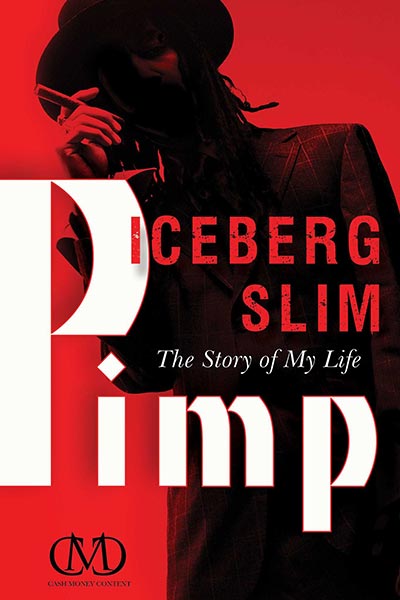
An immersive experience unlike anything before it, Pimp is the classic hustler’s tale that never seems to go out of style.
Iceberg Slim’s autobiographical novel sent shockwaves throughout the literary world when it published in 1969. Groundbreaking for its authentic and oft-brutal account of the sex trade, the book offers readers an unforgettable look at the mores of Chicago’s street life during the 1940s, 50s, and 60s. In the preface, Slim says it best, “In this book, I will take you, the reader, with me into the secret inner world of the pimp.” With millions of copies sold, Pimp has become vital reading across generations of writers, entertainers and filmmakers alike, making it a timeless piece of American literature.
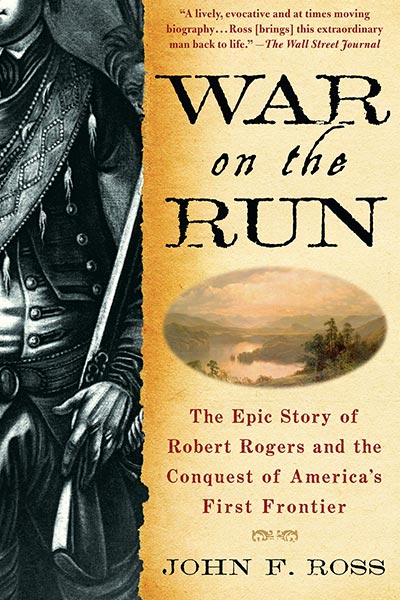
Often hailed as the godfather of today’s elite special forces, Robert Rogers trained and led an unorthodox unit of green provincials, raw woodsmen, farmers, and Indian scouts on “impossible” missions in colonial America that are still the stuff of soldiers’ legend. The child of marginalized Scots-Irish immigrants, Rogers learned to survive in New England’s dark and deadly forests, grasping, as did few others, that a new world required new forms of warfare. John F. Ross not only re-creates Rogers’s life and his spectacular battles with breathtaking immediacy and meticulous accuracy, but brings a new and provocative perspective on Rogers’s unique vision of a unified continent, one that would influence Thomas Jefferson and inspire the Lewis and Clark expedition. Rogers’s principles of unconventional war-making would lay the groundwork for the colonial strategy later used in the War of Independence—and prove so compelling that army rangers still study them today. Robert Rogers, a backwoods founding father, was heroic, admirable, brutal, canny, ambitious, duplicitous, visionary, and much more—like America itself.
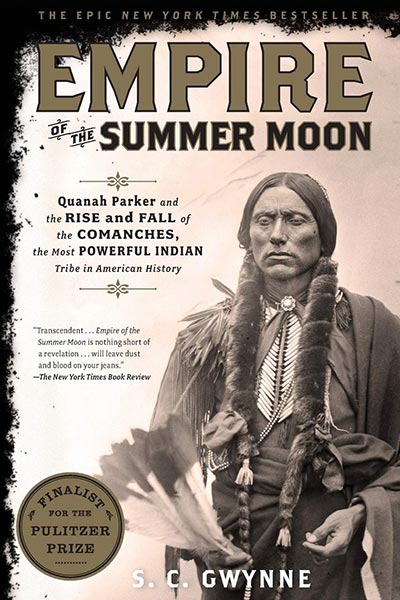
In the tradition of Bury My Heart at Wounded Knee, a stunningly vivid historical account of the forty-year battle between Comanche Indians and white settlers for control of the American West, centering on Quanah, the greatest Comanche chief of them all.
S. C. Gwynne’s Empire of the Summer Moon spans two astonishing stories. The first traces the rise and fall of the Comanches, the most powerful Indian tribe in American history. The second entails one of the most remarkable narratives ever to come out of the Old West: the epic saga of the pioneer woman Cynthia Ann Parker and her mixed-blood son Quanah, who became the last and greatest chief of the Comanches.

This explosive new book challenges many of the long-prevailing assumptions about blacks, about Jews, about Germans, about slavery, and about education. Plainly written, powerfully reasoned, and backed with a startling array of documented facts, Black Rednecks and White Liberals takes on not only the trendy intellectuals of our times but also such historic interpreters of American life as Alexis de Tocqueville and Frederick Law Olmsted. In a series of long essays, this book presents an in-depth look at key beliefs behind many mistaken and dangerous actions, policies, and trends. It presents eye-opening insights into the historical development of the ghetto culture that is today wrongly seen as a unique black identity–a culture cheered on toward self-destruction by white liberals who consider themselves “friends” of blacks. An essay titled “The Real History of Slavery” presents a jolting re-examination of that tragic institution and the narrow and distorted way it is too often seen today. The reasons for the venomous hatred of Jews, and of other groups like them in countries around the world, are explored in an essay that asks, “Are Jews Generic?” Misconceptions of German history in general, and of the Nazi era in particular, are also re-examined. So too are the inspiring achievements and painful tragedies of black education in the United States. “Black Rednecks and White Liberals” is the capstone of decades of outstanding research and writing on racial and cultural issues by Thomas Sowell.

For the first time, the startling full story of the disastrous war on drugs―propelled by moving human stories, revolutionary insight into addiction, and fearless international reporting.
What if everything you think you know about addiction is wrong? One of Johann Hari’s earliest memories is of trying to wake up one of his relatives and not be able to. As he grew older, he realized he had addiction in his family. Confused, unable to know what to do, he set out on a three-year, 30,000-mile journey to discover what really causes addiction―and what really solves it.
He uncovered a range of remarkable human stories―of how the war on drugs began with Billie Holiday, the great jazz singer, being stalked and killed by a racist policeman; of the scientist who discovered the surprising key to addiction; and of the countries that ended their war on drugs―with extraordinary results.
Chasing the Scream is the story of a life-changing journey that showed the world the opposite of addiction is connection.
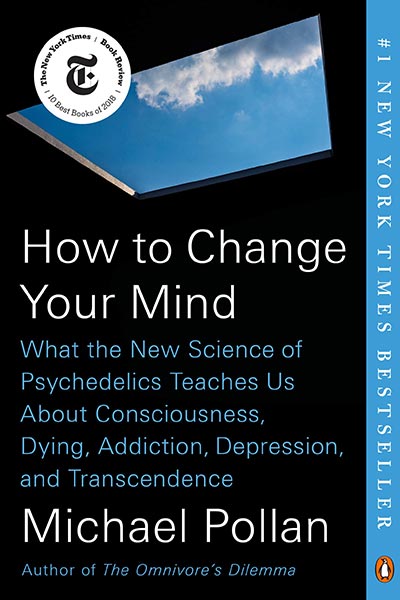
A brilliant and brave investigation into the medical and scientific revolution taking place around psychedelic drugs–and the spellbinding story of his own life-changing psychedelic experiences
When Michael Pollan set out to research how LSD and psilocybin (the active ingredient in magic mushrooms) are being used to provide relief to people suffering from difficult-to-treat conditions such as depression, addiction and anxiety, he did not intend to write what is undoubtedly his most personal book. But upon discovering how these remarkable substances are improving the lives not only of the mentally ill but also of healthy people coming to grips with the challenges of everyday life, he decided to explore the landscape of the mind in the first person as well as the third. Thus began a singular adventure into various altered states of consciousness, along with a dive deep into both the latest brain science and the thriving underground community of psychedelic therapists. Pollan sifts the historical record to separate the truth about these mysterious drugs from the myths that have surrounded them since the 1960s, when a handful of psychedelic evangelists inadvertently catalyzed a powerful backlash against what was then a promising field of research.
A unique and elegant blend of science, memoir, travel writing, history, and medicine, How to Change Your Mind is a triumph of participatory journalism. By turns dazzling and edifying, it is the gripping account of a journey to an exciting and unexpected new frontier in our understanding of the mind, the self, and our place in the world. The true subject of Pollan’s “mental travelogue” is not just psychedelic drugs but also the eternal puzzle of human consciousness and how, in a world that offers us both suffering and joy, we can do our best to be fully present and find meaning in our lives.

Nicholas Carr’s bestseller The Shallows has become a foundational book in one of the most important debates of our time: As we enjoy the internet’s bounties, are we sacrificing our ability to read and think deeply? This 10th-anniversary edition includes a new afterword that brings the story up to date, with a deep examination of the cognitive and behavioral effects of smartphones and social media.